
Ayurveda for Professionals & Students
Ayurvedic Treatments & Therapies:
1. Medhya Rasayana (Nervine Tonics)
These are specialized herbal formulations that nourish the brain and nervous system to improve cognition, memory, and emotional balance.
-
Common Herbs:
-
Brahmi (Bacopa monnieri): Enhances memory and reduces anxiety
-
Gotu Kola (Mandukaparni): Improves concentration and mental clarity
-
Shankhpushpi: Calms nervousness and promotes restful sleep
-
Ashwagandha: Reduces stress and improves stamina
-
-
Benefits:
-
Enhances mental sharpness, memory, and focus
-
Reduces anxiety and mental exhaustion
-
Supports neurotransmitter balance and brain cell regeneration
-
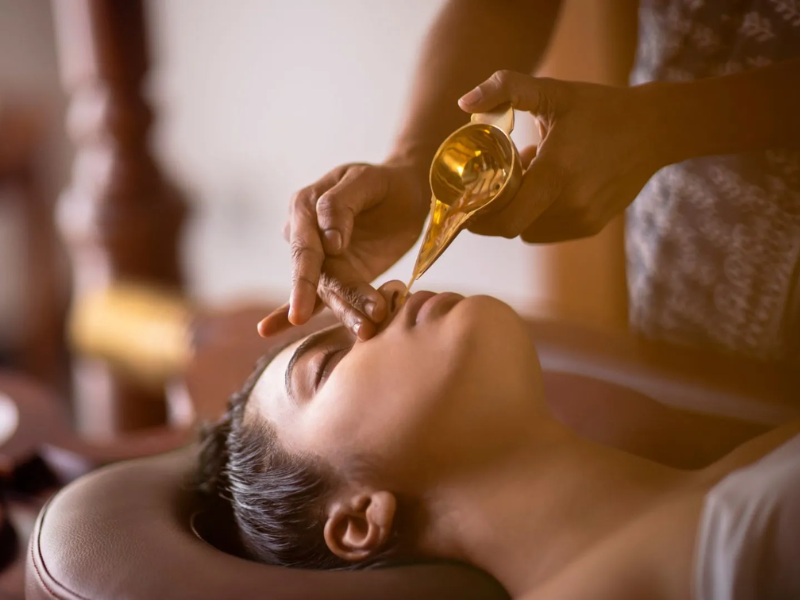
2. Shirodhara (Flowing Oil Therapy on the Forehead)
A deeply relaxing treatment where warm medicated oil is poured in a continuous stream over the forehead (third eye region).
-
Benefits:
-
Calms the nervous system and reduces stress and anxiety
-
Relieves headaches, insomnia, and mental fatigue
-
Improves focus, clarity, and emotional stability
-
3. Taila Treatments (Herbal Oil Therapies)
-
Shiro Abhyanga (Head massage): Enhances blood flow to the brain, relaxes muscles, and reduces tension
-
Netra Tarpana: Specialized eye treatments using medicated ghee to soothe eye strain and dryness
4. Herbal Teas & Dietary Support
-
Herbal infusions like Brahmi tea, Tulsi (holy basil), and Ashwagandha decoctions help reduce stress and support mental energy.
-
Emphasis on balanced diet with nutrients that support brain function, avoiding excessive caffeine and processed foods.
🌼 Summary for Professionals & Students:
Ayurveda offers a holistic approach to combat the mental and physical toll of modern work and study life through brain tonics, relaxing therapies, and dietary support that improve cognition, reduce anxiety, and restore energy.
🌿 Supportive Care in Cancer Patients
Common Challenges:
-
Fatigue and pain from cancer or its treatments
-
Weakened immunity
-
Psychological stress, anxiety, and depression
-
Need for gentle detoxification and mental well-being support
Ayurvedic Interventions:
1. Herbal Support
-
Use of immunity-boosting and anti-inflammatory herbs such as:
-
Guduchi (Giloy): Enhances immune function
-
Ashwagandha: Helps reduce fatigue and improves stamina
-
Turmeric (Curcumin): Anti-inflammatory and antioxidant
-
Tulsi: Supports respiratory health and stress reduction
-
-
These herbs are given in forms that are gentle on the body, often as teas, powders, or tonics.
2. Detoxification Therapies
-
Mild detox methods adapted for the patient’s condition to support the liver, kidneys, and lymphatic system without harsh side effects.
-
Includes herbal decoctions and Panchakarma techniques like Udvartana (herbal powder massage) or Mild Basti if tolerated.
3. Mental Wellness Therapy
-
Treatments such as Shirodhara, Abhyanga, and meditation help alleviate anxiety, depression, and insomnia, promoting emotional balance.
-
Medhya Rasayana herbs support brain health and resilience against mental stress.
4. Pain & Fatigue Management
-
Use of Balya (strengthening) and Rasayana herbs to restore vitality.
-
Therapies to ease muscle pain and improve circulation like oil massages with pain-relieving herbs.
Post-Operative Ayurvedic Rehabilitation
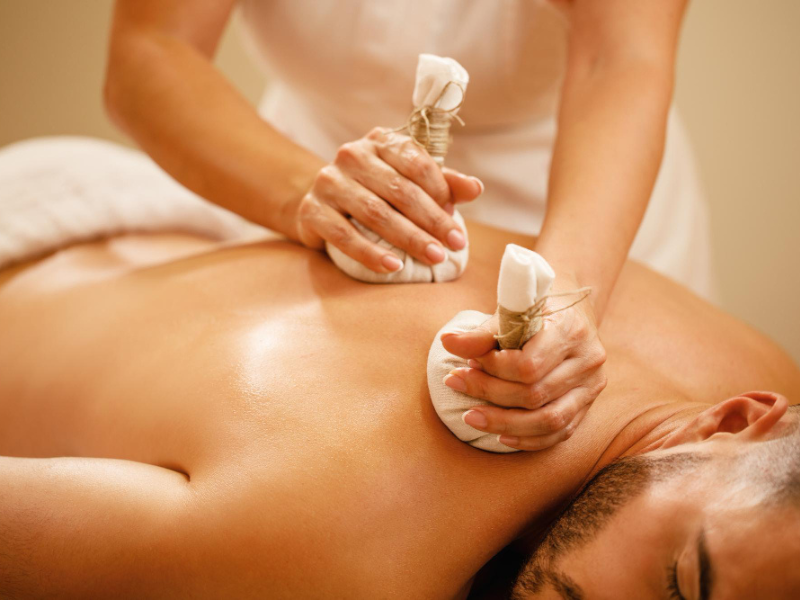
Ayurveda plays a supportive and highly effective role in post-surgical recovery by focusing on tissue regeneration, pain reduction, mental restoration, and boosting immunity.
After any major surgical intervention or trauma, the body’s Ojas (vital energy) and Agni (digestive fire) are weakened. The tissues (Dhatus) are depleted, and often Vata dosha is aggravated due to blood loss, fasting, medications, anesthesia, and physical stress.
Ayurvedic post-operative care aims to:
-
Rebuild strength and immunity (Rasayana)
-
Support physical healing and mobility (Abhyanga, Basti)
-
Nourish the nervous system (Medhya tonics)
-
Improve digestion and tissue assimilation
🔄 Stages of Ayurvedic Post-Surgical Rehabilitation
🔹 1. Initial Phase (0–2 weeks post-surgery)
Focus: Recovery from anesthesia, inflammation control, digestive restoration
Therapies:
-
Light diet (Laghu Ahara): Rice gruel, moong dal soup, warm fluids
-
Deepana & Pachana herbs: Dry ginger, trikatu, cumin to restore Agni
-
Gentle Nasya or steam inhalation (if respiratory issues present)
-
Mild herbal teas: Tulsi, ginger, coriander for detoxification
🔹 2. Rebuilding Phase (2–6 weeks post-surgery)
Focus: Tissue repair, pain relief, immunity building, strength restoration
Key Ayurvedic Therapies Used
1. Rasayana Therapy – Rejuvenation & Tissue Repair
What It Is:
Systematic administration of herbal formulations and lifestyle measures that nourish all seven dhatus (tissues) and promote cellular regeneration and immune strength.
Common Rasayana Herbs:
| Herb | Benefits |
|---|---|
| Ashwagandha | Promotes tissue growth, reduces stress |
| Shatavari | Nourishes blood and reproductive tissues |
| Amalaki (Amla) | Rich antioxidant, boosts immunity and digestion |
| Guduchi (Giloy) | Anti-inflammatory, supports liver and immune function |
| Chyawanprash | Classical Rasayana for energy, immunity, and vitality |
| Pippali | Enhances nutrient absorption and metabolism |
Benefits:
-
Accelerates wound healing and collagen formation
-
Enhances immunity to prevent post-op infections
-
Replenishes lost Ojas (vitality)
-
Reduces oxidative stress and inflammation
2. Abhyanga – Therapeutic Oil Massage
What It Is:
A gentle, nourishing full-body massage with warm, medicated oils to soothe Vata dosha, enhance circulation, and relax the nervous system.
Oils Used:
-
Dhanwantharam Taila – For neurological and muscular recovery
-
Mahanarayana Taila – For pain, inflammation, and joint support
-
Balaashwagandhadi Taila – For strength and rejuvenation
Benefits:
-
Reduces muscle stiffness and joint pain
-
Improves circulation and lymphatic drainage
-
Calms anxiety, fatigue, and restlessness
-
Prepares the body for deeper Rasayana assimilation
3. Basti – Ayurvedic Medicated Enemas
What It Is:
Basti is the most powerful Vata-pacifying therapy, administered through the rectum using medicated oils or herbal decoctions. It is safe and highly beneficial for post-operative recovery.
Types Used in Rehab:
-
Sneha Basti (oil-based): Rejuvenating, nourishing
-
Niruha Basti (decoction-based): Detoxifying, balancing
Herbs Used: Dashamoola, Bala, Eranda, Yashtimadhu
Benefits:
-
Deeply nourishes tissues and the colon, which is vital in post-surgical strength
-
Helps regain energy and muscle function
-
Aids in elimination of toxins and reduces internal dryness
-
Improves sleep, digestion, and mental calm
4. Medhya Tonics – Brain & Nervous System Support
What It Is:
These are herbs and formulations specifically designed to enhance brain function, emotional stability, and memory, especially helpful after trauma, anesthesia, or prolonged hospitalization.
Common Medhya Rasayanas:
-
Brahmi (Bacopa monnieri): Enhances memory and reduces anxiety
-
Mandukaparni (Gotu Kola): Promotes healing and nerve regeneration
-
Shankhpushpi: Calms mental stress and improves concentration
-
Ashwagandha-Brahmi combo: For neuro-endocrine balance
Benefits:
-
Addresses brain fog, anxiety, and restlessness
-
Rebuilds mental resilience and sleep quality
-
Supports post-traumatic emotional healing
🥗 Diet & Lifestyle Guidelines
Diet:
-
Easily digestible foods: khichdi, vegetable soups, boiled milk with herbs
-
Include ghee, dates, soaked almonds, and herbal teas
-
Avoid cold, heavy, fried, or spicy foods
-
Use Rasayana herbs in convalescence recipes
Lifestyle:
-
Daily Abhyanga (self-massage) with warming oils
-
Mild yoga and Pranayama after 2–4 weeks post-surgery
-
Adequate rest, proper sleep, and mental relaxation
-
Avoid excessive physical strain or overstimulation
🧾 Summary Table
| Goal | Ayurvedic Therapy | Role in Recovery |
|---|---|---|
| Rejuvenation | Rasayana (Ashwagandha, Chyawanprash) | Rebuilds strength, improves immunity |
| Pain & Circulation | Abhyanga with herbal oils | Relieves stiffness, enhances healing |
| Detox & Vata Balance | Basti (oil + decoction) | Supports colon health, reduces fatigue |
| Mental Recovery | Medhya Rasayanas (Brahmi, Gotu Kola) | Enhances cognition and sleep |
Lifestyle Diseases & Detox Retreats
Ayurveda views lifestyle disorders as the result of long-term imbalances in daily routines, diet, emotions, and sleep patterns. These imbalances disrupt the doshas (Vata, Pitta, Kapha), weaken Agni (digestive fire), and create Ama (toxins), which accumulate and impair bodily systems such as the circulatory, metabolic, and nervous systems.
The Ayurvedic solution is not symptom suppression, but a root-cause correction approach using:
-
Panchakarma (detoxification)
-
Yoga & breathing practices
-
Customized diet and herbal therapies
-
Daily routine (Dinacharya) correction
🔍 Conditions Treated
| Condition | Ayurvedic Understanding | Dominant Dosha |
|---|---|---|
| Hypertension (Rakta Gata Vata) | Vata affecting blood channels and stress levels | Vata-Pitta |
| High Cholesterol (Medoroga) | Excess Kapha and impaired Meda Dhatu (fat metabolism) | Kapha |
| Fatigue Syndrome / Burnout (Klama, Shrama) | Depleted Ojas, weak digestion, mental stress | Vata |
Key Treatments: Lifestyle Disease & Detox Retreat
1. Integrated Panchakarma Detox
Panchakarma is Ayurveda’s powerful 5-fold detox system that removes deep-rooted toxins, balances doshas, and prepares the body for healing and rejuvenation.
Common Panchakarma Therapies:
| Therapy | Purpose |
|---|---|
| Abhyanga (Herbal Oil Massage) | Improves circulation, reduces stiffness, calms nervous system |
| Swedana (Herbal Steam) | Opens channels, detoxifies skin and tissues |
| Basti (Medicated Enemas) | Especially for Vata disorders like hypertension and fatigue |
| Virechana (Purgation) | Removes excess Pitta and cholesterol from the liver and intestines |
| Nasya (Nasal Detox) | Clears head region, improves sleep and stress balance |
Benefits:
-
Eliminates toxins (Ama)
-
Restores balance to Vata, Pitta, and Kapha
-
Supports liver function, metabolism, and cardiovascular health
-
Prepares the body for Rasayana (rejuvenation) therapy
2. Therapeutic Yoga & Pranayama
Yoga is not just physical exercise in Ayurveda—it is a therapy to restore harmony between body, mind, and breath. Each lifestyle disease is associated with specific doshic imbalance, and yoga is used accordingly.
Recommended Practices:
| Condition | Yoga / Breathing Techniques |
|---|---|
| Hypertension | Shavasana, Anulom Vilom, Bhramari, Yoga Nidra |
| High Cholesterol | Surya Namaskar (gentle), Kapalabhati, Pavanamuktasana |
| Fatigue Syndrome | Balasana, Viparita Karani, Ujjayi, Deep Yogic Breathing |
Benefits:
-
Reduces stress, anxiety, and blood pressure
-
Enhances oxygenation and detoxification
-
Improves lymphatic drainage and metabolism
-
Promotes mental clarity and sleep quality
3. Customized Diet & Nutrition (Ahara Chikitsa)
Ayurvedic nutrition focuses on dosha-specific, seasonal, and digestive-friendly meals. The goal is to strengthen Agni (digestive fire) and eliminate Ama.
Dietary Principles by Condition:
| Condition | Foods to Include | Foods to Avoid |
|---|---|---|
| Hypertension | Garlic, Amla, Ash gourd, Barley, Coconut water | Salt, caffeine, fried food, spicy items |
| High Cholesterol | Warm water, Triphala, oats, green gram | Dairy, red meat, sugar, excess oil |
| Fatigue Syndrome | Dates, ghee, almond milk, jaggery, Rasayana herbs | Raw/cold food, packaged food, stimulants |
Key Detox Drinks & Rasayanas:
-
Triphala tea for digestive cleanse
-
Amla juice for antioxidant support
-
Arjuna + Guggulu for heart health
-
Ashwagandha, Shatavari for energy and nervous rejuvenation
4. Lifestyle Correction & Dinacharya
Your daily routine directly affects disease manifestation. Ayurvedic retreats emphasize Dinacharya to create rhythmic balance in sleep, meals, activity, and mental health.
Elements of Dinacharya:
-
Wake up before sunrise (Brahma Muhurta)
-
Daily Abhyanga (self-massage) with herbal oils
-
Meditation and Pranayama for mental calm
-
Early light dinner to support digestion and sleep
-
Consistent sleep and wake time
🧾 Summary Table
| Focus Area | Core Treatment | Benefits |
|---|---|---|
| Hypertension | Panchakarma (Basti + Virechana), Yoga Nidra, Garlic Rasayana | Reduces BP, calms Vata, improves heart tone |
| High Cholesterol | Kapha-pacifying diet, Virechana, Guggulu formulations | Enhances fat metabolism, clears Ama |
| Fatigue Syndrome | Rasayana (Ashwagandha, Chyawanprash), Yoga, Abhyanga | Rebuilds energy, supports nervous system, improves Ojas |
Immunity & Rasayana Therapies
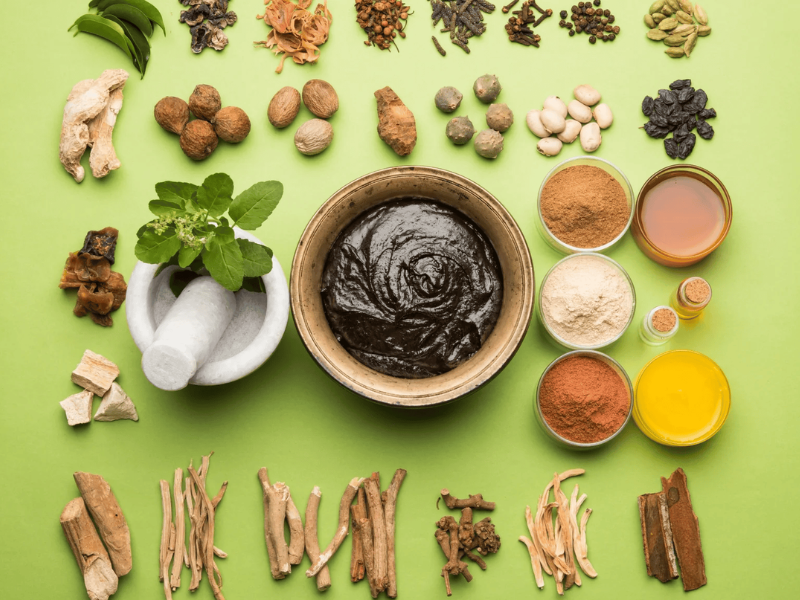
In Ayurveda, immunity (Vyadhikshamatva) is not merely resistance to disease but a dynamic balance of body, mind, and spirit, sustained through Ojas—the essence of all bodily tissues (dhatus) and the seat of vitality and strength.
Rasayana therapy is the branch of Ayurveda specifically dedicated to rejuvenation, longevity, and immune strengthening. It works by nourishing Rasa (plasma) and Ojas, promoting tissue regeneration, improving digestion, and calming the nervous system.
🛡️ Conditions Treated
| Condition | Ayurvedic View | Primary Approach |
|---|---|---|
| Rejuvenation after illness | Depleted Ojas, weak Agni, imbalance of doshas | Rasayana, Deepana, Brimhana |
| Post-COVID Care | Vata-Pitta aggravation, lung and tissue depletion | Rasayana, Panchakarma, Medhya herbs |
| Immuno-deficiency | Weak Rasa and Rakta dhatus, Ama accumulation | Detoxification + Rasayana |
Key Therapies in Ayurvedic Immunity Enhancement
1. Rasayana Chikitsa – Rejuvenation Therapy
What It Is:
Rasayana therapy refers to the systematic use of herbal medicines, diet, and lifestyle to promote longevity, vitality, and disease resistance.
Key Rasayana Herbs:
| Herb | Benefits |
|---|---|
| Amalaki (Indian Gooseberry) | Antioxidant, enhances Ojas and immunity |
| Ashwagandha | Rejuvenates nervous system, balances Vata |
| Guduchi (Giloy) | Immune modulator, anti-inflammatory |
| Shatavari | Hormonal balance, nourishes tissues |
| Pippali | Respiratory immunity, enhances nutrient absorption |
| Haritaki / Triphala | Detoxifies, rejuvenates gut and tissues |
| Chyawanprash | Classical Rasayana formulation rich in Amalaki and herbs |
Benefits:
-
Enhances immunity and vitality (Ojas)
-
Promotes tissue regeneration
-
Strengthens respiratory, digestive, and nervous systems
-
Improves mental clarity and stamina
Best For:
Convalescence after illness, general immunity boost, respiratory weakness, stress-induced fatigue
2. Panchakarma-Based Immunity Boosters
Panchakarma is the detoxification and purification therapy in Ayurveda that eliminates accumulated toxins (Ama) and balances doshas, creating the foundation for deeper rejuvenation.
Key Panchakarma Therapies for Immunity:
| Therapy | Purpose |
|---|---|
| Abhyanga (Oil Massage) | Calms Vata, improves circulation and lymphatic detox |
| Swedana (Herbal Steam) | Opens pores, clears channels (srotas), enhances respiration |
| Nasya (Nasal drops) | Protects brain and sinuses; used in post-COVID recovery |
| Basti (Medicated enemas) | Detoxifies colon, enhances immunity and vitality |
| Virechana (Therapeutic purgation) | Clears excess Pitta and toxins from liver and gut |
Benefits:
-
Clears toxins and strengthens digestion (Agni)
-
Improves metabolism and nutrient absorption
-
Resets body systems post-infection or long illness
-
Prepares the body for Rasayana intake
Best For:
Post-COVID fatigue, seasonal allergies, auto-immune tendencies, chronic inflammation
3. Post-COVID & Chronic Fatigue Care
Ayurveda addresses post-viral fatigue, brain fog, respiratory weakness, and low energy by pacifying aggravated Vata-Pitta, rejuvenating the lungs, and restoring Ojas.
Common Protocol:
-
Nasya with Anu Taila or Brahmi Taila (clears sinuses, improves mental clarity)
-
Dashamoola Kwatha for inflammation and lung strength
-
Chyawanprash for long-term Rasayana support
-
Shirodhara (if anxiety or insomnia is present)
-
Ashwagandha + Brahmi for neuro-immune balance
🥗 Supportive Diet & Lifestyle
Diet:
-
Favor warm, nourishing, sattvic foods: khichdi, ghee, soups, dates, almond milk
-
Include herbal teas with tulsi, ginger, cinnamon, amla
-
Avoid cold, raw, fried, and processed foods
-
Eat on time to support digestive Agni
Lifestyle:
-
Daily Abhyanga with warm sesame or Ashwagandha oil
-
Pranayama (breathwork): especially Bhramari, Nadi Shodhana for respiratory strength
-
Maintain good sleep hygiene
-
Avoid overstimulation: reduce screen time, limit mental stress
🧾 Summary Table
| Purpose | Method | Herbs / Therapies Used |
|---|---|---|
| Immunity Boosting | Rasayana | Amalaki, Ashwagandha, Guduchi, Chyawanprash |
| Post-Illness Recovery | Panchakarma + Rasayana | Abhyanga, Basti, Virechana, Medhya herbs |
| Respiratory Immunity | Nasya + Deepana + Rasayana | Pippali, Tulsi, Sitopaladi, Anu Taila |
| Anti-Fatigue & Stress | Rasayana + Lifestyle | Ashwagandha, Brahmi, Shirodhara, Abhyanga |
Skin Glow & Beauty Enhancement
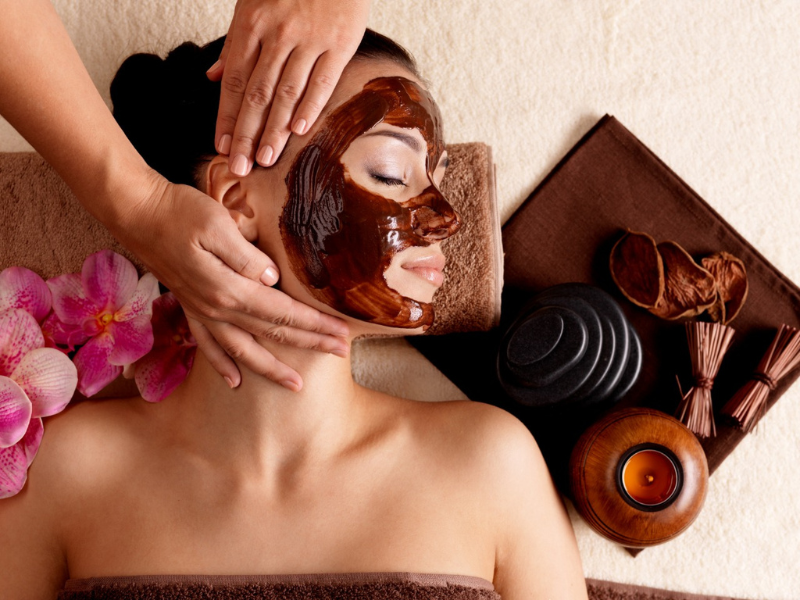
In Ayurveda, beauty (Saundarya) is a reflection of inner health and outer harmony. True radiance comes from clear channels (srotas), balanced doshas, strong Agni (digestion), and a calm mind. Rather than relying on synthetic chemicals or external cosmetics, Ayurveda enhances beauty by nourishing the Rasa Dhatu (plasma/tissue nutrition) and Raktha Dhatu (blood), and by detoxifying the system naturally.
🌸 Skin Conditions Addressed
| Condition | Ayurvedic View | Dominant Dosha |
|---|---|---|
| Pigmentation / Melasma (Vyanga) | Uneven skin tone due to aggravated Pitta and Rakta | Pitta |
| Tan / Sun Damage (Suryatak) | Excess sun exposure aggravating Pitta and Vata | Pitta-Vata |
| Dull Skin / Uneven Tone | Toxins (Ama) blocking the skin channels | Kapha-Pitta |
| Aging / Wrinkles (Tvacha Vrudhhi Lakshana) | Depleted Ojas, Vata dominance, collagen loss | Vata |
Ayurvedic Skin Rejuvenation Treatments
1. Lepas – Herbal Face Packs for Targeted Skin Care
What It Is:
Application of medicated herbal pastes (Lepas) to the face and neck to treat specific skin issues and enhance complexion.
Common Ingredients:
-
Manjistha: Blood purifier, pigmentation reducer
-
Sandalwood (Chandana): Cooling, anti-inflammatory
-
Multani Mitti + Rose Water: Tan removal and detoxification
-
Kumkumadi Taila Paste: For natural glow and anti-aging
-
Turmeric + Yashtimadhu (Licorice): Skin brightening and antioxidant
Benefits:
-
Removes tan and dark spots
-
Clears clogged pores and toxins
-
Improves blood circulation
-
Restores natural glow and fairness
Best For:
Hyperpigmentation, tanning, dull or oily skin
2. Herbal Facials – Deep Cleansing & Rejuvenation
What It Is:
A multi-step Ayurvedic facial using steam, exfoliation, massage, lepas, and toning with 100% natural herbs and oils.
Steps Typically Include:
-
Steam (Swedana) with medicated herbs (triphala, neem, tulsi)
-
Herbal scrub using lentils, orange peel, or rose
-
Mukha Abhyanga (Facial massage) with herbal oils or creams
-
Lepa application
-
Toner / Rose Water mist
Benefits:
-
Gently exfoliates and detoxifies the skin
-
Promotes circulation and cell renewal
-
Leaves skin soft, even-toned, and radiant
-
Helps in blackhead removal and open pores
Best For:
Bridal care, maintenance facials, glow enhancement, skin repair
3. Mukha Abhyanga – Ayurvedic Facial Massage
What It Is:
A rhythmic massage of the face, neck, and upper chest using Ayurvedic oils customized for skin type and dosha.
Oils Used:
-
Kumkumadi Taila: The gold standard for skin glow and fairness
-
Jatyadi or Nalpamaradi Taila: For pigmentation and scars
-
Ashwagandha oil: For lifting sagging skin and calming Vata
-
Brahmi or Gotu Kola oil: To enhance skin elasticity
Benefits:
-
Improves lymphatic drainage and collagen production
-
Reduces fine lines and puffiness
-
Enhances complexion and softness
-
Calms the mind and balances emotions affecting skin
Best For:
Wrinkles, dull skin, stress-induced aging, puffy face
4. Anti-Wrinkle Oils – Natural Vata-Pacifying Elixirs
What They Are:
Ayurvedic oils rich in antioxidants, vitamins, and rejuvenating herbs that deeply nourish and firm the skin.
Common Formulations:
-
Kumkumadi Taila: Saffron-based, reduces dark spots and fine lines
-
Chandanadi Taila: Cooling, anti-aging, improves skin tone
-
Bakuchi Taila: Stimulates melanin and supports pigmentation disorders
-
Yashtimadhu + Almond oil: Smooths fine lines and moisturizes
Benefits:
-
Smooths wrinkles and fine lines
-
Restores elasticity and firmness
-
Fights free radical damage
-
Improves complexion and texture
Best For:
Aging skin, Vata imbalance, loss of skin vitality
🥗 Diet & Lifestyle for Natural Beauty
Diet:
-
Eat fresh, seasonal, and hydrating foods (cucumbers, melons, amla, pomegranate)
-
Include ghee, almonds, soaked raisins, and saffron milk
-
Avoid spicy, fried, and overly salty foods that aggravate Pitta
-
Drink herbal teas with turmeric, rose petals, tulsi, and cardamom
Lifestyle:
-
Practice Abhyanga (body oiling) regularly
-
Get adequate sleep and avoid mental stress
-
Do Pranayama and meditation to purify inner glow
-
Stay hydrated and follow early dinner and proper digestion
🧾 Summary Table
| Concern | Dosha Involved | Treatments |
|---|---|---|
| Pigmentation | Pitta | Lepas (Manjistha, Chandan), Mukha Abhyanga, Blood purifiers |
| Tan Removal | Pitta-Vata | Herbal facials, Chandan-Multani packs, cooling oils |
| Natural Fairness | All (focus on Rasa-Rakta balance) | Kumkumadi Taila, Lepa, Rose water toning |
| Anti-Aging | Vata | Mukha Abhyanga, anti-wrinkle oils, Rasayana, sleep hygiene |
Hair & Scalp Treatments
In Ayurveda, hair health is closely linked to the balance of the three doshas—Vata, Pitta, and Kapha—and to the condition of Asthi Dhatu (bone tissue) and Rakta Dhatu (blood tissue). The scalp is considered a marmasthana (vital area), and disorders of hair are often seen as a reflection of internal imbalances like stress, poor digestion (Agni), hormonal changes, and nutritional deficiencies.
👩🦱 Common Hair & Scalp Disorders Treated
| Condition | Ayurvedic View | Primary Dosha Involved |
|---|---|---|
| Hair Fall (Khalitya) | Weakening of hair roots due to aggravated Pitta and Vata | Pitta-Vata |
| Premature Greying (Palitya) | Pitta aggravation + depleted vitality of hair tissues | Pitta |
| Dandruff (Darunaka) | Dryness or excessive oiliness of scalp, often with flaking and itching | Vata-Kapha |
| Alopecia (Indralupta) | Autoimmune condition or deep-rooted Pitta-Vata imbalance, often linked with stress | Pitta-Vata-Kapha |
Key Ayurvedic Treatments
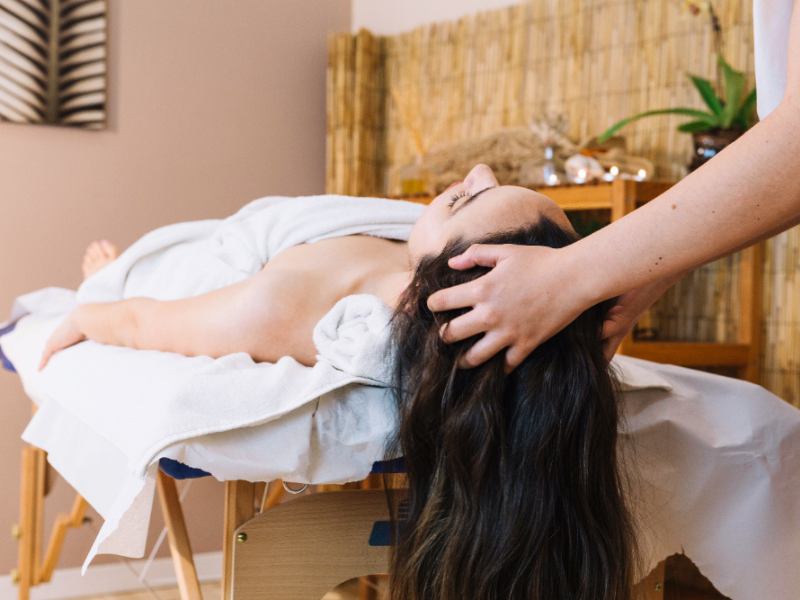
1. Shiro Abhyanga – Ayurvedic Head Massage
What It Is:
Shiro Abhyanga is a nourishing massage of the scalp, neck, and shoulders using medicated herbal oils.
Common Oils Used:
-
Neelibhringadi Taila: For hair growth and greying
-
Bhringamalaka Taila: Strengthens roots, prevents dandruff
-
Kuntalakanti Taila: For overall scalp health and shine
-
Brahmi or Ashwagandha oil: Stress-relief and nervous system support
Benefits:
-
Enhances blood circulation to hair follicles
-
Nourishes scalp tissues and strengthens hair roots
-
Calms the nervous system, reducing stress-related hair fall
-
Prevents dryness, itchiness, and dandruff
Best For:
Hair fall, dandruff, premature greying, stress-induced thinning
2. Thalapothichil – Herbal Scalp Pack Therapy
What It Is:
A therapeutic application of a medicated herbal paste over the scalp, which is allowed to remain for a prescribed duration under cooling or heating conditions.
Procedure:
-
Fresh herbal paste (usually made from amla, hibiscus, brahmi, neeli, aloe vera, etc.) is applied on the entire scalp
-
The head is covered with banana leaves or cloth
-
The paste is kept on for 30–45 minutes, then washed off with herbal decoction
Benefits:
-
Deeply cools and rejuvenates the scalp
-
Balances Pitta and Vata, which are the primary doshas involved in hair fall and greying
-
Improves hair texture and pigmentation
-
Controls itching, inflammation, and flaking
Best For:
Premature greying, dandruff, hair fall, scalp heat, tension headaches
3. Herbal Oil Massage – External & Internal Nourishment
What It Is:
Daily or weekly application of Ayurvedic oils, followed by gentle massage and cleansing. In some cases, internal oil therapies (Snehapana) may be used for systemic nourishment.
Key Herbal Oils:
-
Bhringraj oil: Prevents greying, supports hair growth
-
Amla oil: Antioxidant-rich, enhances melanin production
-
Coconut oil infused with curry leaves and fenugreek: Traditional anti-dandruff remedy
-
Jatamansi oil: Calms stress and supports scalp rejuvenation
Benefits:
-
Softens the scalp and removes toxins (Ama)
-
Nourishes hair from root to tip
-
Prevents breakage, dryness, and thinning
-
Improves lustre, volume, and color of hair naturally
Best For:
General maintenance, seasonal hair fall, dry scalp, early-stage alopecia
🌿 Supportive Internal Treatments (Optional)
To complement external therapies, Ayurveda recommends:
-
Rasayanas (rejuvenators): Amalaki Rasayana, Brahmi, Ashwagandha, Bhringraj
-
Blood purifiers: Manjistha, Neem, Triphala
-
Digestive enhancers (Deepana): Trikatu, Hingvastak to promote nutrient absorption
-
Hair-specific herbs: Keshya dravyas like Bhringraj, Amla, Yashtimadhu, Guduchi
🥗 Diet & Lifestyle Recommendations
Diet:
-
Include iron- and protein-rich foods like green leafy vegetables, dates, almonds, and moong
-
Add cooling herbs and spices: coriander, fennel, amla, coconut
-
Avoid spicy, oily, sour, and heavily processed foods
-
Drink plenty of warm water and herbal teas (Brahmi, Tulsi, Amla)
Lifestyle:
-
Avoid frequent hair coloring, hot water head baths, and harsh shampoos
-
Get adequate sleep and manage stress (through meditation, Pranayama)
-
Avoid late-night screen use, which aggravates Vata
-
Practice regular oiling and scalp massage
🧾 Summary Table
| Condition | Main Dosha | Key Treatments |
|---|---|---|
| Hair Fall | Vata-Pitta | Shiro Abhyanga, Thalapothichil, Rasayana herbs |
| Premature Greying | Pitta | Herbal oil massage, cooling diet, Thalapothichil |
| Dandruff | Vata-Kapha | Shiro Abhyanga, anti-dandruff oils, internal purifiers |
| Alopecia | Pitta-Vata | Scalp massage, Rasayana, Thalapothichil, stress relief |
Ear, Nose & Throat (ENT Disorders)
The ear (Karna), nose (Nasa), and throat (Kantha) are all interconnected and governed by Prana Vata, Udana Vata, and Kapha dosha. When these doshas are imbalanced due to poor lifestyle, environmental exposure, or infections, it leads to a variety of ENT issues.
In Ayurveda, treating ENT disorders involves clearing blockages, strengthening sensory organs, and nourishing head-region tissues using time-tested therapies.
👂 Common ENT Conditions Treated
| Condition | Ayurvedic Name | Dosha Involvement |
|---|---|---|
| Tinnitus (Ringing in Ears) | Karnanada / Karna Shabda | Vata aggravation affecting ear nerves |
| Ear Discharge (Otorrhea) | Karna Srava | Pitta-Kapha infection of the middle ear |
| Sinusitis | Peenasa / Dushta Pratishyaya | Kapha buildup in sinuses, blocked Vata |
| Tonsillitis | Gala Shotha / Tundikeri | Pitta-Kapha inflammation in throat area |
Key Ayurvedic Treatments
1. Karnapoorana – Medicated Ear Oil Therapy
What It Is:
Filling the ear canal with warm medicated oils to pacify aggravated Vata and clear blockages.
Procedure:
-
The ear is gently cleaned.
-
Warm herbal oil (e.g., Bilva Taila, Kshara Taila, or Bala Taila) is instilled into the ear canal and retained for a few minutes.
-
The patient lies on one side while oil is administered.
Benefits:
-
Soothes Vata in the auditory nerves (useful for tinnitus)
-
Reduces pain, itching, and dryness
-
Clears mild discharges and helps in infections
-
Improves hearing clarity and balances inner ear pressure
Best For:
Tinnitus, earache, mild infections, nerve weakness
2. Nasya – Nasal Cleansing & Rejuvenation
What It Is:
One of the Panchakarma therapies where medicated oils, powders, or juices are administered through the nostrils.
Types of Nasya Used in ENT:
-
Shamana Nasya (palliative): For sinusitis, nasal congestion
-
Brimhana Nasya (nourishing): For tinnitus, nervous weakness
-
Shodhana Nasya (cleansing): For accumulated Kapha and toxins
Oils Commonly Used:
-
Anu Taila
-
Shadbindu Taila
-
Brahmi Ghrita (for tinnitus and nerve-related disorders)
Procedure:
-
Warm oil is instilled into the nostrils
-
Followed by gentle facial massage and steam
Benefits:
-
Opens nasal passages and sinuses
-
Reduces headaches and heaviness
-
Nourishes sense organs and improves brain function
-
Controls postnasal drip, congestion, and sinus blockages
Best For:
Sinusitis, headaches, tinnitus, chronic rhinitis
3. Gandusha / Kavala – Ayurvedic Oil Pulling for Throat & Oral Health
What It Is:
Gandusha: Holding medicated oil or decoction in the mouth without movement
Kavala: Gargling and swishing the liquid actively in the mouth
Oils & Decoctions Used:
-
Til Taila (Sesame Oil) or medicated oils like Irimedadi
-
Triphala decoction, Yashtimadhu (licorice), or turmeric water
-
Honey & turmeric warm water gargle for tonsillitis
Benefits:
-
Reduces throat inflammation and tonsil swelling
-
Detoxifies the oral cavity and salivary glands
-
Prevents recurrent infections
-
Strengthens voice and improves oral hygiene
Best For:
Tonsillitis, throat pain, mouth ulcers, gum infections
4. Herbal Decoctions (Kashayam & Kwath)
What They Are:
Boiled extracts of specific Ayurvedic herbs that address ENT conditions internally.
Examples:
-
Trikatu Kashaya (Ginger, Black Pepper, Long Pepper): For sinus congestion and throat inflammation
-
Dashamoola Kwatha: Anti-inflammatory and analgesic for deeper Vata disorders
-
Pathyadi Kwath: Used in tinnitus and headaches
-
Yashtimadhu (Licorice) Decoction: Soothes sore throat and reduces inflammation
Benefits:
-
Clears mucus and toxins from ENT channels
-
Balances Vata and Kapha
-
Boosts immunity and healing capacity
-
Aids in systemic recovery from infections and chronic ENT issues
🍵 Supportive Diet & Lifestyle
Diet:
-
Use warm, cooked foods; avoid cold or refrigerated items
-
Avoid dairy, wheat, and sweets during active sinus or throat infections
-
Drink warm herbal teas with tulsi, ginger, turmeric
-
Gargle with salt + turmeric water for sore throat
Lifestyle:
-
Avoid exposure to dust, cold wind, and loud noises
-
Perform daily Nasya or steam inhalation with eucalyptus or ajwain
-
Maintain good sleep and hydration
-
Practice Pranayama (breathing exercises) for better ENT function
🧾 Summary Table
| Condition | Main Dosha | Recommended Treatments |
|---|---|---|
| Tinnitus | Vata | Karnapoorana, Nasya (Brahmi oils), Rasayana |
| Ear Discharge | Pitta-Kapha | Karnapoorana, herbal decoctions, Triphala |
| Sinusitis | Kapha-Vata | Nasya, Trikatu decoction, steam, Gandusha |
| Tonsillitis | Pitta-Kapha | Gandusha, turmeric-honey gargle, Yashtimadhu decoction |
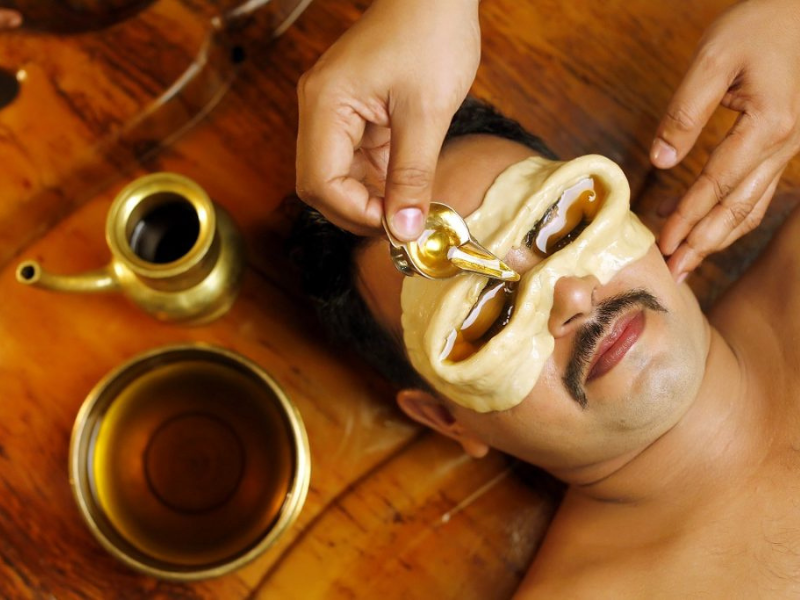
Eye Care (Netra Chikitsa)
In Ayurveda, the eyes (Netra) are considered one of the most delicate and vital sense organs. They are primarily governed by Pitta dosha, especially a subtype called Alochaka Pitta, which is responsible for visual perception. Disturbances in Vata (dryness, nerve sensitivity), Pitta (inflammation), and Kapha (blockages, clouding) can lead to various eye disorders.
Ayurveda emphasizes prevention and rejuvenation, not just symptom relief. Netra Chikitsa provides both curative and maintenance care for the eyes through herbal, detoxifying, and nourishing therapies.
👁️ Common Eye Conditions Treated
| Condition | Ayurvedic Understanding | Causes |
|---|---|---|
| Dry Eyes (Shushkakshipaka) | Vata aggravation drying up tear film and ocular tissues | Prolonged screen use, insomnia, dehydration |
| Conjunctivitis (Abhishyanda) | Pitta-Kapha imbalance leading to inflammation and discharge | Allergies, infection, dust exposure |
| Early Cataracts (Timira) | Kapha accumulation in lens + aging of eye tissues | Aging, oxidative stress, unaddressed metabolic issues |
| Eye Strain (Netrayasa) | Weakening of Alochaka Pitta and excess Vata from overuse | Screen time, poor lighting, sleeplessness |
🧴 Ayurvedic Eye Treatments
1. Netra Tarpana – Nourishing Eye Rejuvenation
What It Is:
A deeply nourishing therapy where medicated ghee (clarified butter) is retained in a well around the eyes for a specific period.
Procedure:
-
A dough ring made of black gram flour is placed around the eyes.
-
Warm, medicated ghee (like Triphala Ghrita or Jeevantyadi Ghrita) is gently poured and held over the open and closed eyes.
-
Duration: 10–30 minutes, based on the condition.
Benefits:
-
Lubricates and strengthens eye muscles
-
Relieves dryness, burning, and fatigue
-
Improves visual acuity and slows early cataract development
-
Calms Vata-Pitta imbalances in the eye region
Best For:
Dry eyes, eye strain, early cataracts, age-related degeneration
2. Anjana – Herbal Collyrium / Eye Liner Therapy
What It Is:
Application of medicated herbal pastes or powders to the inner eyelids to cleanse, stimulate, or nourish the eyes.
Types of Anjana:
-
Lekhana Anjana (Scraping): Removes sticky Kapha and infections (good for conjunctivitis)
-
Ropana Anjana (Healing): Heals and regenerates eye tissue
-
Snehana Anjana (Lubricating): For dryness and tired eyes
Common Herbs Used:
-
Triphala: Detoxifying and rejuvenating
-
Yashtimadhu (Licorice): Soothes inflammation
-
Daruharidra (Berberis): Antimicrobial and cooling
Benefits:
-
Clears infections and discharges
-
Improves vision clarity
-
Prevents or manages cataract formation
-
Supports tear production in dry eyes
Best For:
Conjunctivitis, itching, vision dullness, early cataract signs
3. Aschyotana – Herbal Eye Drops
What It Is:
The instillation of sterile medicated eye drops directly into the eye. It’s considered the simplest yet powerful eye-cleansing technique in Ayurveda.
Common Decoctions Used:
-
Triphala Kashaya
-
Chandana (Sandalwood) with Rose water
-
Punarnava & Yashtimadhu preparations
Procedure:
-
Drops are administered in a lying-down position.
-
Patients are advised to blink to help spread the medicine evenly.
-
Used 1–2 times daily as prescribed.
Benefits:
-
Clears dust, toxins, and allergens
-
Relieves redness, watering, and itching
-
Balances Pitta and Kapha in the eyes
-
Acts as a preventive routine in screen-heavy lifestyles
Best For:
Mild infections, eye strain, post-panchakarma maintenance, pollution exposure
🌿 Additional Supportive Therapies
-
Triphala Wash: Eye rinse with cooled Triphala decoction to refresh and cleanse the eyes
-
Nasya (Nasal Drops): Strengthens ocular nerves by balancing the head-region doshas
-
Shirodhara or Shirovasti: Used when eye issues are stress-related or linked to nervous imbalance
-
Internal Herbs: Amalaki, Yashtimadhu, Punarnava, Triphala, Ghee-based formulations
🥗 Diet & Lifestyle Recommendations
Diet:
-
Include cooling, hydrating foods: cucumber, coriander, rose water, ghee, amla
-
Avoid spicy, sour, and fermented foods that aggravate Pitta
-
Drink plenty of lukewarm water and herbal teas
Lifestyle:
-
Limit screen exposure; follow 20-20-20 rule (every 20 mins, look 20 feet away for 20 seconds)
-
Get adequate sleep and eye rest
-
Apply rose water compresses for tired eyes
-
Avoid direct exposure to harsh sunlight or dust
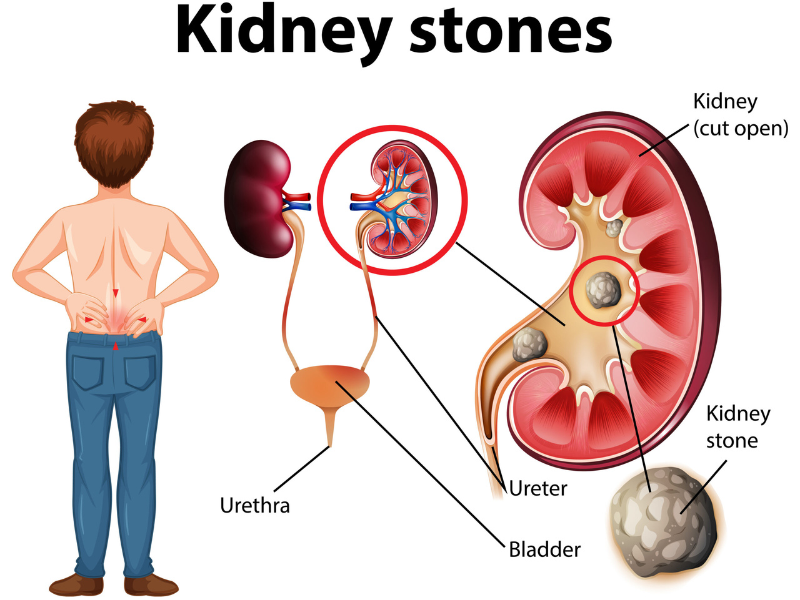
Kidney & Urinary Disorders
In Ayurveda, the urinary system is governed by Mutravaha Srotas (urinary channels) and primarily influenced by Apana Vata, Pitta, and Kapha doshas. When these doshas are imbalanced due to dietary habits, dehydration, infections, or sedentary lifestyle, various urinary and kidney disorders can arise, such as:
-
Kidney Stones (Ashmari) – Caused by aggravated Vata, Pitta, and Kapha creating crystallized deposits in the urinary tract
-
Urinary Tract Infections – UTI (Mutrakrichra) – Due to aggravated Pitta causing burning, inflammation, and pain during urination
-
Frequent or Recurrent Urination (Prameha / Mutra Atipravritti) – Often linked with Kapha imbalance and weak urinary muscles or metabolism
1. Mutra Virechana – Ayurvedic Diuretic & Detox Therapy
What it means:
“Mutra Virechana” refers to cleansing and promoting the flow of urine using herbal medications that stimulate diuresis (urine formation and expulsion).
Key Herbs Used:
-
Gokshura (Tribulus terrestris): Strengthens the urinary tract, reduces inflammation
-
Varuna (Crataeva nurvala): Breaks down and prevents kidney stones
-
Punarnava (Boerhavia diffusa): Diuretic, anti-inflammatory, and anti-swelling
-
Pashanabheda (Bergenia ligulata): Literally means “stone breaker”, used for kidney stones
-
Guduchi (Tinospora cordifolia): Detoxifier and immunity booster
Benefits:
-
Increases urine flow to flush out toxins, infections, or small stones
-
Reduces inflammation and relieves burning sensation during urination
-
Clears blockages in the Mutravaha Srotas
-
Prevents recurrence of UTIs and stone formation
2. Herbal Diuretics (Mutrala Dravyas)
These are natural herbs that support the kidney’s filtration process and urine output without harming electrolyte balance, unlike synthetic diuretics.
Formulations May Include:
-
Chandraprabha Vati – A classical compound used for a range of urinary disorders
-
Gokshuradi Guggulu – Helps with urinary infections and prostate issues
-
Trinapanchamoola Kashaya – A decoction made from five grass roots with strong diuretic properties
-
Yavakshara – An alkali preparation for dissolving crystals and relieving pain
Benefits:
-
Supports natural urine flow
-
Reduces swelling (edema) and fluid retention
-
Eases urinary discomfort, helps in flushing out bacteria
-
Helps dissolve or prevent formation of kidney stones
3. Rasayana Therapy – Rejuvenation for Long-Term Kidney Health
Rasayana in Ayurveda refers to rejuvenative therapies that nourish and strengthen body tissues (dhatus), especially important in chronic or recurrent conditions.
Purpose in Urinary/Kidney Disorders:
-
Restore strength to weakened kidneys and bladder
-
Enhance immunity to prevent recurrent infections
-
Rejuvenate urinary tissues damaged by chronic UTI or inflammation
Key Rasayana Herbs:
-
Amalaki (Indian Gooseberry): Rejuvenates urinary tissues and boosts immunity
-
Ashwagandha: Strengthens muscles and supports adrenal/kidney health
-
Shilajit: Detoxifying, revitalizing, and supports urinary tract tone
-
Guduchi: Rejuvenates and balances immunity
Benefits:
-
Reduces risk of recurrence
-
Restores Ojas (vital energy)
-
Promotes tissue repair and detoxification
-
Improves quality of life in chronic sufferers
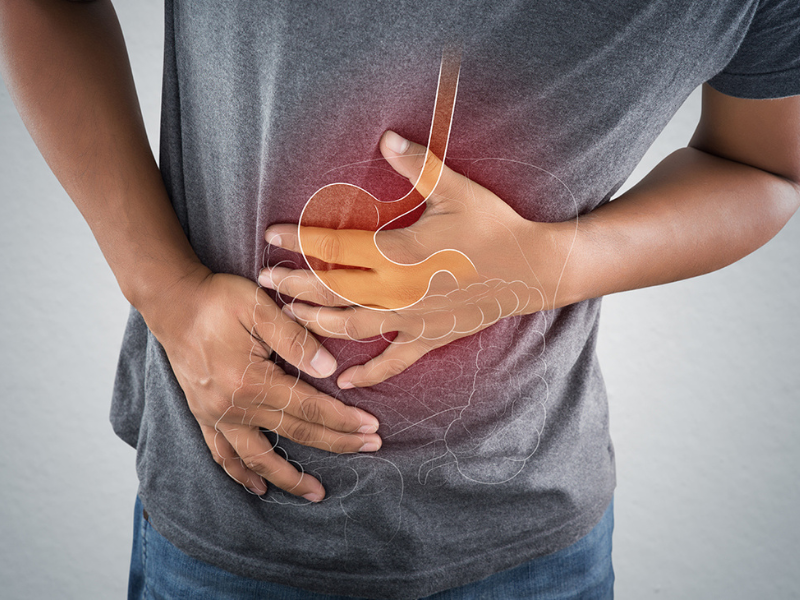
Liver & Gall Bladder Disorders
In Ayurveda, the liver is known as Yakrit, and it’s considered a Pitta-dominant organ, responsible for digestion, metabolism, and detoxification. When Pitta dosha becomes aggravated due to poor diet, alcohol, stress, or toxins, it can lead to disorders such as:
-
Fatty Liver (Yakrit Roga) – Imbalance of Kapha and Meda (fat tissues) in the liver
-
Jaundice (Kamala) – Excess Pitta causing yellowing of the skin and eyes
-
Hepatitis (Yakrit Shotha) – Inflammation of the liver, often due to viral or toxic causes
-
Gallstones (Pittashmari) – Hard deposits formed due to aggravated Pitta and Kapha doshas in the gall bladder
1. Herbal Liver Detox (Yakrit Shuddhi)
Key Herbs Used:
-
Bhumyamalaki (Phyllanthus niruri): Known for antiviral and hepatoprotective action
-
Kutki (Picrorhiza kurroa): Detoxifies liver and improves bile secretion
-
Kalmegh (Andrographis paniculata): Anti-inflammatory and hepatoprotective
-
Punarnava (Boerhavia diffusa): Reduces liver swelling and supports detox
-
Triphala: Gentle cleansing and antioxidant support
Benefits:
-
Clears Ama (toxins) from the liver and intestines
-
Supports bile flow, digestion, and metabolism
-
Protects liver cells and rejuvenates liver function
2. Virechana – Therapeutic Purgation
Virechana is one of the five Panchakarma therapies and is specifically used for eliminating aggravated Pitta from the body, especially from the liver, gall bladder, and intestines.
Procedure:
-
Preparation (Purvakarma): Oleation (internal & external oil therapies) and steaming to loosen toxins
-
Main therapy: Administration of natural purgatives (like Trivrit, Haritaki, or Castor oil)
-
Post-therapy diet: Gradual reintroduction of light foods to stabilize digestion
Benefits:
-
Flushes out excess Pitta, bile, and toxins
-
Clears blocked bile channels, preventing gallstone formation
-
Reduces inflammation in liver and gall bladder
-
Improves appetite, skin clarity, and energy
3. Basti – Medicated Enema Therapy
Although primarily used for Vata-related disorders, Basti is also effective in chronic liver and gall bladder conditions, especially when they involve Vata-Kapha imbalance, such as:
-
Fatty liver (with sluggish digestion and accumulation)
-
Gallstones (with associated constipation or dryness)
Types of Basti used:
-
Anuvasana Basti (Oil-based): Nourishes and soothes the colon and liver area
-
Niruha Basti (Decoction-based): Cleanses toxins, improves metabolism
Benefits:
-
Regulates Apana Vata, which controls elimination and bile flow
-
Helps break down gallstones and prevent recurrence
-
Detoxifies the lower gastrointestinal tract, aiding liver health
-
Restores digestive fire (Agni) and supports fat metabolism
Diet & Lifestyle Support
Ayurveda also emphasizes Ahara (diet) and Vihara (lifestyle) for sustainable liver health:
Recommended Diet:
-
Warm, freshly cooked, light meals
-
Bitter and astringent vegetables like karela (bitter gourd), methi (fenugreek), neem
-
Avoid fried, oily, spicy, sour, and fermented foods
-
Drink warm water infused with turmeric or coriander
Lifestyle Tips:
-
Regular sleep and wake cycles
-
Avoid alcohol and processed foods
-
Gentle yoga and breathing exercises (Pranayama)
-
Stress management through meditation